Our verdict on Arena Club
Arena Club discloses more than any app we track and gives you less to act on. Every pack screen carries a probability against every single card, which no rival matches. Then it omits the one number that would make those probabilities mean anything: what the cards are worth.
That is the whole review in a sentence. What follows is the evidence, all of it read off Arena Club’s own screens and its own Official Rules.
The odds it does publish
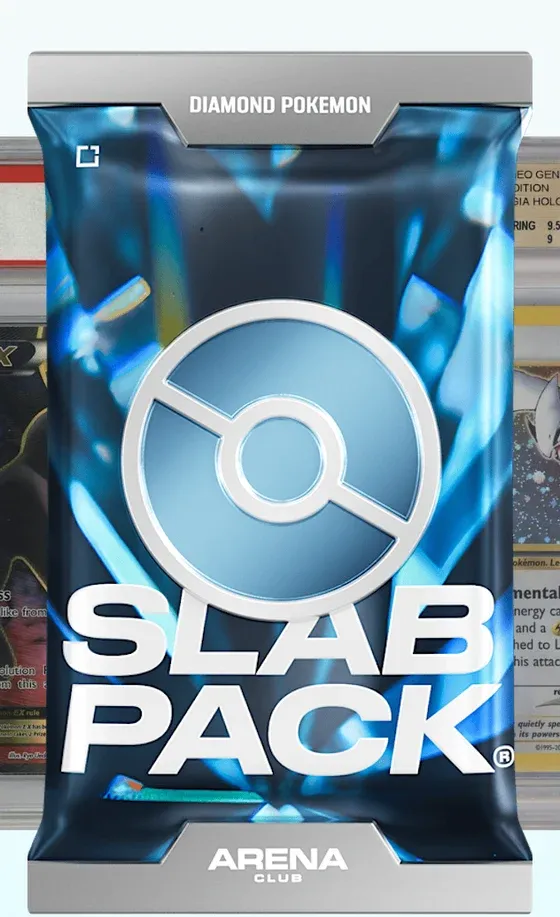
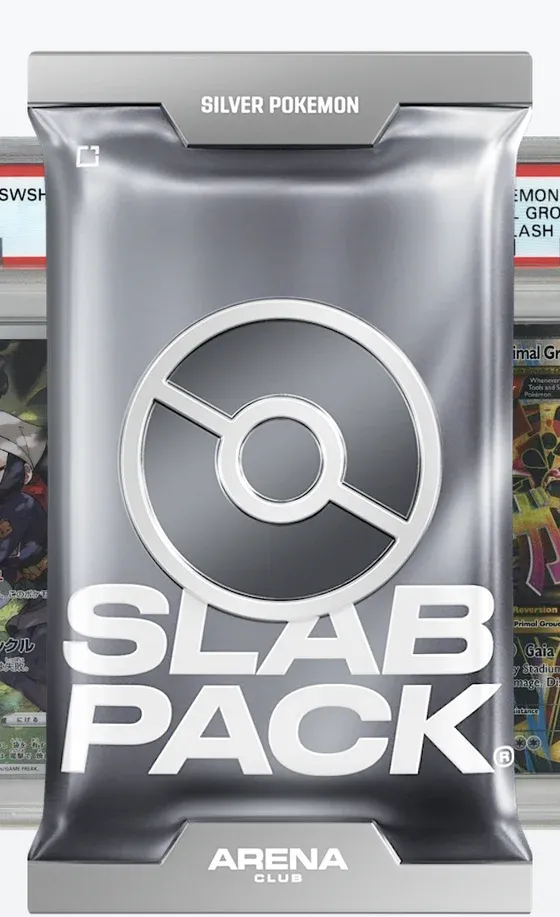
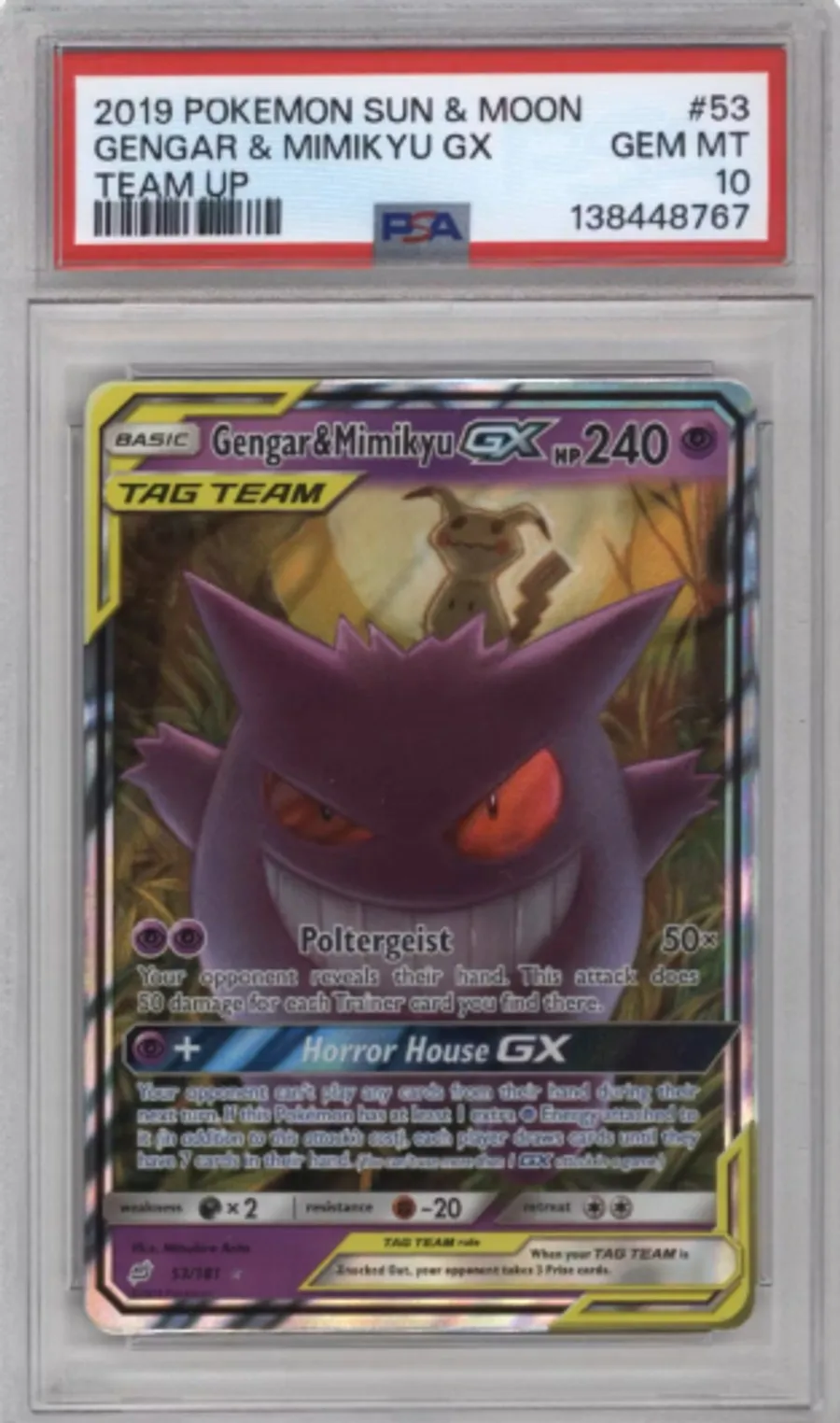
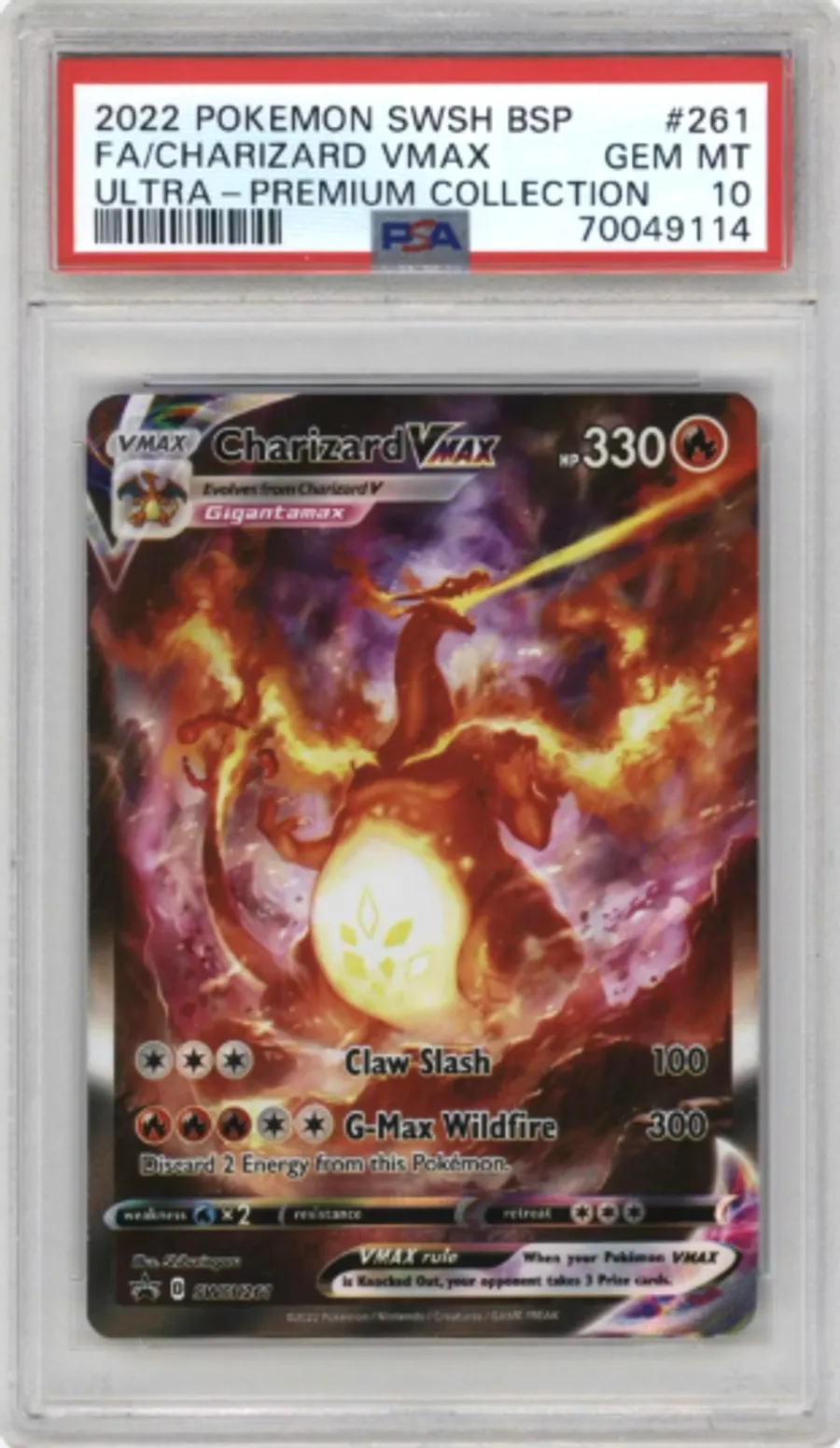
Each pack carries a Slab Pack Checklist in three tiers — Grail, Chase, Lineup — with a probability against every card. Every card inside a tier carries the same rate, and the three tiers partition the pull. We checked the arithmetic on all seven Pokémon packs and every one sums to 100% within 0.2%.
The rates are clean fractions. A Lineup card is typically 1.96%, which is 1 in 51. A Chase card is 0.25%, or 1 in 400. Legendary is the exception, with a shorter Lineup of 35 cards and correspondingly better per-card odds at 2.79%.
The list is live, and provably so. Arena Club states it “updates in real-time whenever a pack is purchased”, and comparing the current checklists against our own earlier capture shows exactly one of the three Grail slots has turned over in six of the seven Pokémon packs. Only Silver’s trio was unchanged. So a checklist is a snapshot, not a specification.
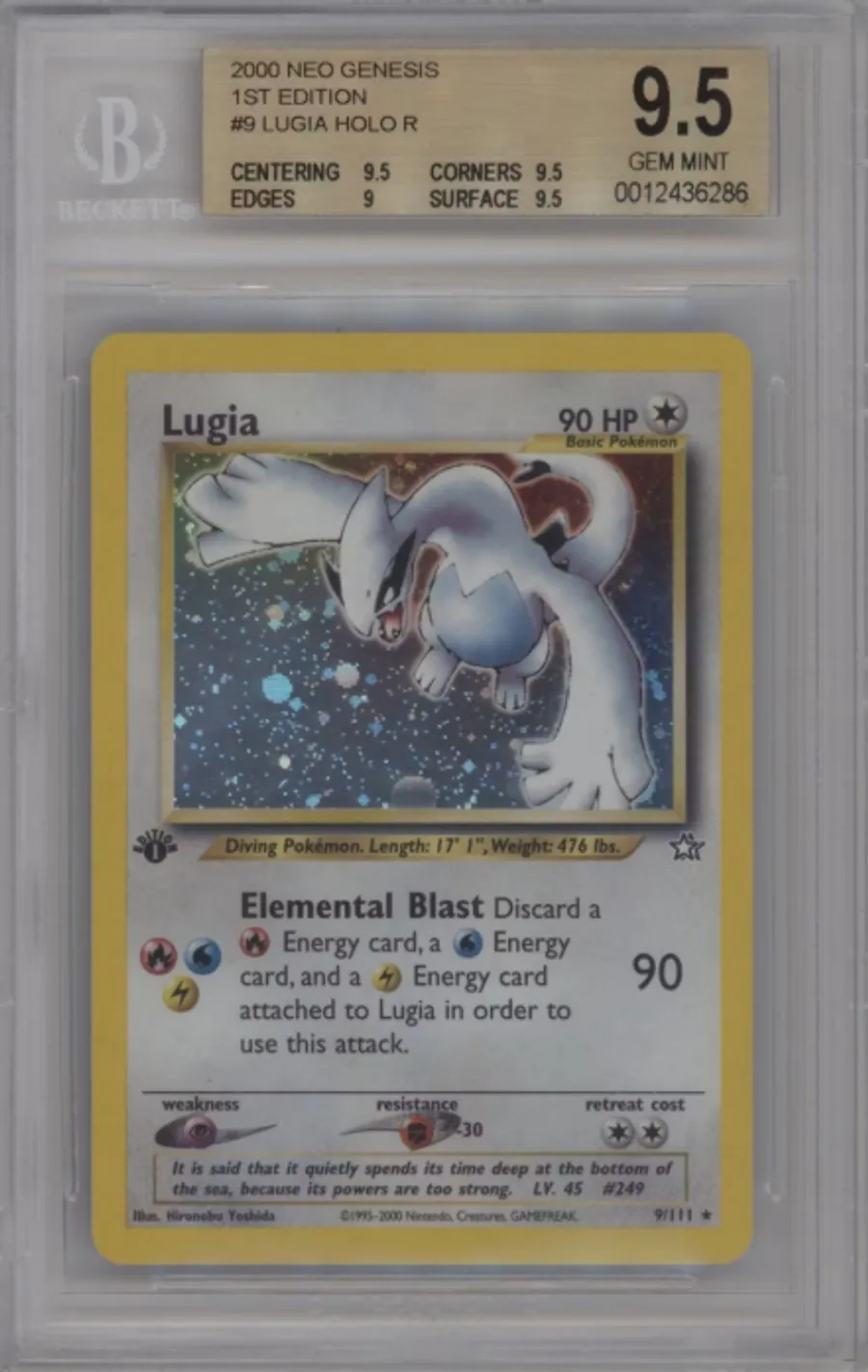
We have since catalogued the slabs themselves across all four sports — 1,228 cards over 28 packs, every one now listed on its pack page — and they confirm the rotation from a second direction. Four Pokémon Lineups hold more distinct slabs than Arena Club publishes as the tier size: 52, 53 and 56 against a stated 50, and Legendary holds 50 against a stated 35. A fixed 35-card list cannot yield 50 different cards. Those are cards that were in the pack when we captured them and have since been swapped out.
Reading the cert numbers turned up something the identities alone could not show. Nine slabs appear on two different packs’ checklists at once. A cert identifies one card in the world, so these are not duplicate copies — they are the same object, listed twice:
| Cert | Listed on | Card |
|---|---|---|
| 162476654 | Diamond + Legendary Basketball | 2025 Topps Cosmic Chrome Kevin Garnett Galaxy Greats-Super |
| 92421725 | Emerald + Ruby Football | 2023 Prizm Justin Herbert Hype-Gold |
| 100819879 | Gold + Silver Football | 2020 Chronicles Justin Jefferson Playoff Momentum |
| 106982487 | Gold + Silver Football | 2024 Prizm Josh Allen Red/White/Blue Prizm |
| 71693736 | Diamond + Legendary Pokémon | 2003 Skyridge Raikou-Holo |
| 167775846 | Diamond + Emerald Pokémon | 2014 Japanese XY Charizard EX Corocoro promo |
| 126230099 | Diamond + Legendary Pokémon | 2017 Japanese Sun & Moon Mewtwo GX |
| 149584597 | Gold + Silver Pokémon | 2000 Rocket Dark Dugtrio-Holo 1st Edition |
| 155029503 | Misc + Silver Pokémon | 2021 SWSH BSP Umbreon-Holo |
Be careful about what that does and does not mean. The checklist is still the pack’s contents; what it is not is a pool reserved to that pack. Only one buyer can ever receive cert 162476654, so the two packs are quoting a chance at the same object.
The practical consequence is worth money. In seven of the nine cases the same slab is listed on a cheaper pack as well as a dearer one — the Josh Allen sits on both Gold and Silver Football, the Dark Dugtrio on both Gold and Silver Pokémon. If you are chasing one named card, check the cheaper pack’s checklist before paying up for the expensive one, because the card may be reachable from either.
Two tiers also list the same slab twice within one pack: Gold Football’s Lineup shows 50 entries but only 49 distinct cards (cert 78819781 appears twice), and Diamond Pokémon’s Lineup repeats cert 155841754. So a published tier size is not always a count of distinct cards.
What the grades say once you read all of them
The labels are now read on all 1,228, which makes the one thing Arena Club will not tell you — how good the cards are — computable for the first time.
| Grail | Chase | Lineup | All | |
|---|---|---|---|---|
| Cards | 84 | 224 | 920 | 1,228 |
| Mean grade | 9.36 | 9.28 | 9.27 | 9.28 |
| Median grade | 10 | 9.5 | 9 | 9.5 |
| Share graded 10 | 51.2% | 47.8% | 47.3% | 47.6% |
Two things fall out of that table, and the second is the interesting one.
The inventory is genuinely high-grade. Nearly half of every card Arena Club lists is a 10, the mean is 9.28, and only 30 cards of 1,228 grade below 7. Whatever else is true, these are not worn commons.
The tier you pay for has almost nothing to do with the grade you get. Grail, the 0.03%-per-card tier at the top of every pack, averages 9.36. Lineup, which is 98% of all outcomes, averages 9.27. That is a gap of 0.09 of a grade point across a 3,000-fold difference in rarity, and the share of 10s is flat to within four points. So the tiers are sorting on something else — card desirability, presumably — and since Arena Club publishes no values, the tier label is the only signal you get about a card’s worth and it is not a signal about its condition. If you are buying a dear pack expecting better-conditioned cards, that is not what the tiers deliver.
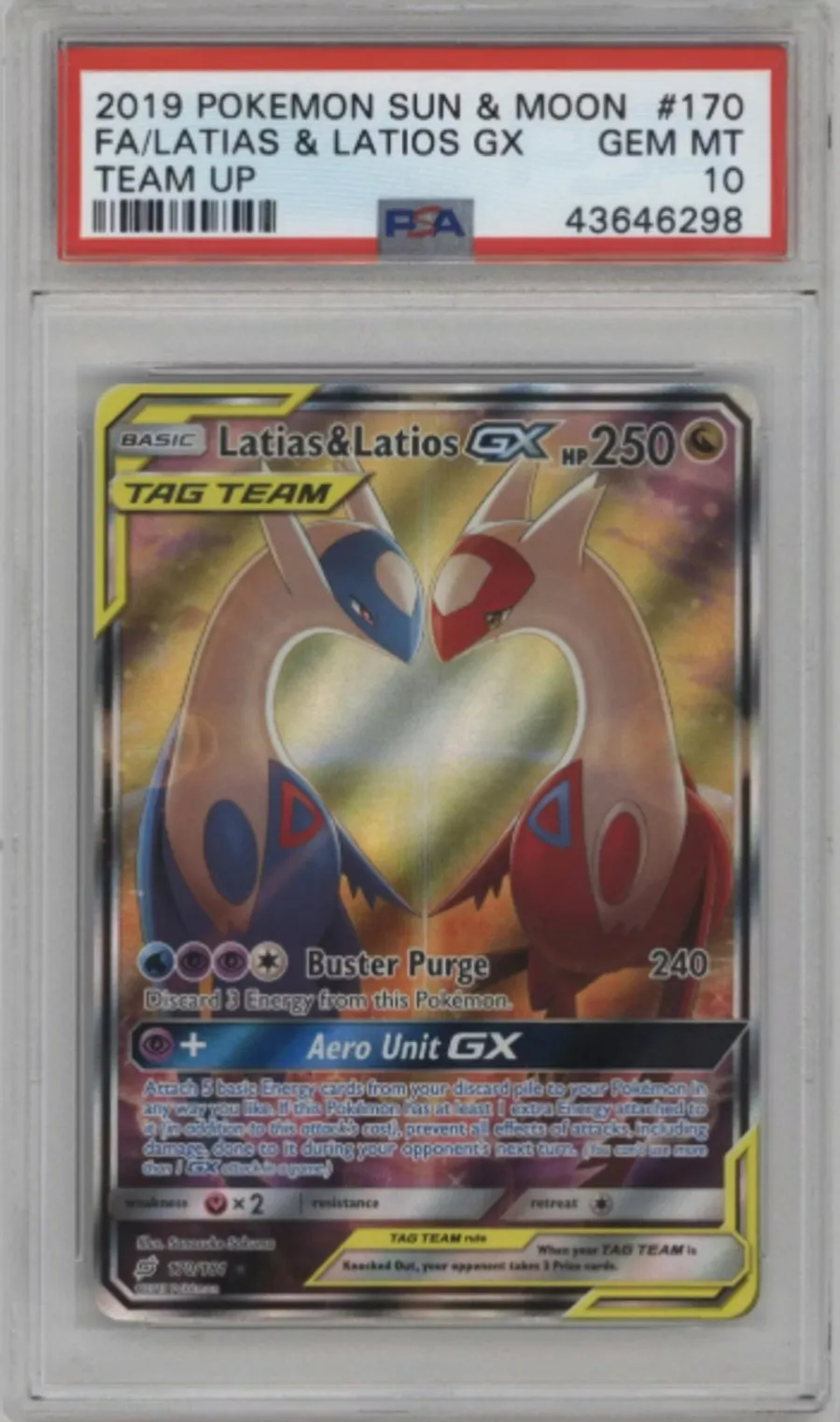
The grader mix also settles a question we had only inferred. PSA does 91.4% of this inventory (1,123 slabs), BGS 5.5%, CGC 1.9%, SGC 0.9% — and Arena Club itself grades 4, which we can now name by cert: BAC003909175, BAC003909184, BAC003909371 and BAC003909368, all Pokémon, all graded 9 or 9.5 by the company selling them. Four cards in 1,228 is a small number, and we would rather report it as small than imply it is systemic. But it is not zero, and the AC prefix on the cert is Arena Club’s own mark.
Two defects in Arena Club’s own data
Reading the certs also let us check Arena Club against itself. Its export appends the cert to a filename whenever two cards in a tier would collide, which handed us 37 certs from the source. 35 match our read exactly. The two that do not are both errors in Arena Club’s data, not ours, and each was settled by zooming the slab:
- Ruby Football’s Caleb Williams Silver Prizm filename carries the 8-digit 11685861. The slab reads the 9-digit 116858361 — a dropped digit.
- Diamond Pokémon lists the Charmeleon Trainer’s Magazine card twice, and appended a different cert to each file. Both slabs read 155841754, so the other filename’s 134248386 is a cert that is not on either card.
Neither is serious on its own. Together they are a reminder that the checklist is a generated export, not a hand-verified document — and the cert on the slab is the only figure worth trusting.
One honest limit remains on that catalogue. The filenames carry no grade, so every grade above was read by eye off the slab label in the image — 1,228 of them, with 1,223 certs; the five blanks are holders that print no cert at all, or one digit that will not resolve at the source resolution. Completeness also varies by pack: 5 basketball Lineups are short of the published 50 — four of them hold only 9 — while for all 7 baseball packs, all 7 football packs and basketball Bronze we hold no published tier size at all, which makes those unverified rather than complete. Each pack page states its own position rather than averaging the discomfort away.
What an Arena Club pack is actually worth
Arena Club publishes odds and no values, so for a long time this section said nobody could price its packs. That is no longer true — not because Arena Club published anything, but because we went and priced one ourselves.
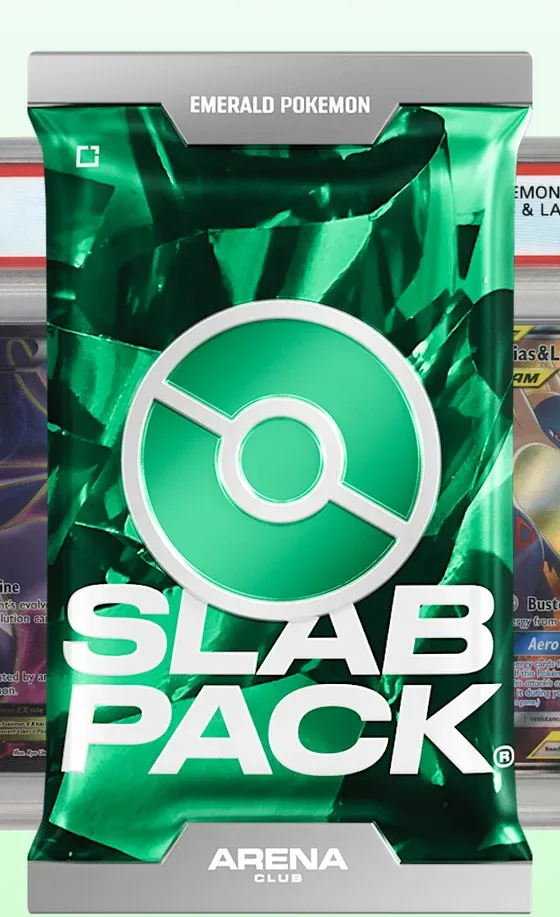
We took the Emerald Pokémon pack, the only one whose price we had captured at the time ($500), and priced a 12-card sample of its 50-card Lineup tier against eBay sold listings, matched on set, card number, parallel and exact grade. The Lineup is 98% of all outcomes, so it is the pack in all but name.
| Sample | On a $500 pack | |
|---|---|---|
| Lineup mean | $456.50 | 91.3% of price |
| Lineup median | $325.25 | 65.0% of price |
| Range | $189 – $1,189 | |
| Cards reaching $500 | 4 of 12 | 33% of the tier |
The median is the number that describes the common experience, and it is $325 on a $500 pack. The mean is dragged up by a single $1,189 Charizard; eleven of the twelve cards sit below it. If you buy this pack and get a typical card, you have turned $500 into about two-thirds of that.
Then there is the exit. eBay charges roughly a 13% final value fee, so a median card that sells for $325 nets its seller about $282 — 56% of the pack price. And that assumes you sell it yourself; Arena Club’s own instant offer is a rate it has never published.
The whole pack, tier by tier
Two of the three Emerald Grail cards priced at $16,713 and $15,099 — real money, and a real ceiling. But Grail is 0.09% of pulls, so it contributes about $14 to the value of a pack. No Chase card has been priced, which leaves 2% of outcomes as an explicit unknown:
| Chase assumed at | EV (mean basis) | EV (median basis) |
|---|---|---|
| $0 — a hard floor | $462 (92%) | $333 (67%) |
| $2,000 | $502 (100%) | $373 (75%) |
| $5,000 | $562 (112%) | $433 (87%) |
So on the mean, an Emerald pack lands near break-even before fees — and needs the Chase tier to average north of about $2,200 to clear its own price. On the median, it does not come close.
What this does and does not settle
It cuts in Arena Club’s favour on one measure. Your chance of finishing at or above the $500 you paid is roughly 35% — better than Courtyard’s 17–29% break-even. Net of eBay’s fee it falls to about 27%, still the stronger of the two. A high break-even chance and a low median are not a contradiction: this pack rarely wipes you out and rarely pays you.
Four honest limits, because this is a sample and not a census. It is 12 of 50 Lineup cards, and two of those rest on a single sale. No Chase card is priced. eBay sold is gross. And it covers one pack of 28 — the other 27 remain exactly as unpriceable as before, because we still have no values for them and Arena Club still publishes none.
That last point is the one to hold onto. Nothing here came from Arena Club. Every figure above exists because the cards were identified from slab images, the grades were read off the labels by eye, and the prices were looked up on a third-party marketplace. An app that sells you a probability should not make its customers do this.
Collect Safe, and what it accidentally reveals
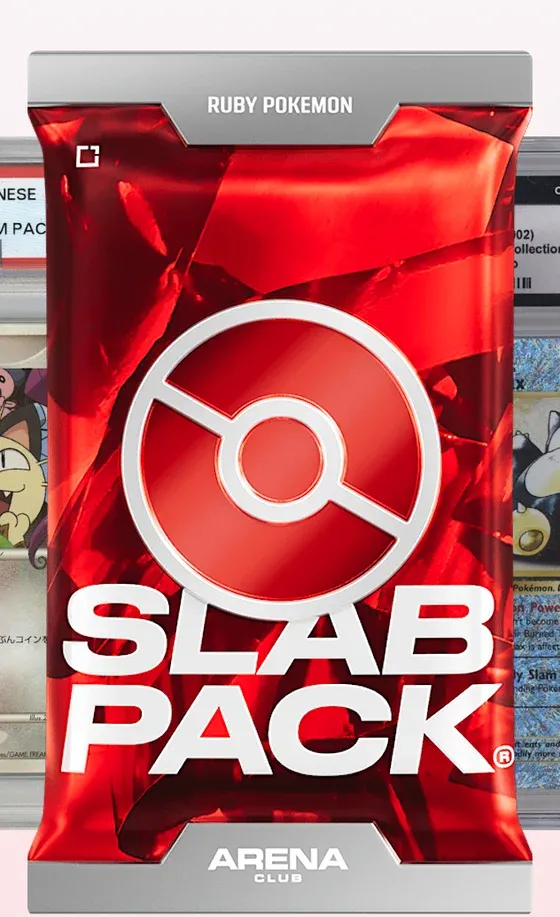
Arena Club sells insurance on the pull, which nobody else in this category does. The offer reads: “Guarantee a $40 Arena Club Offer, for just $5 more.”
We saw it on eight packs in two categories and it is a fixed formula every time:
| Pack | Price | Premium | Guaranteed offer | Max loss |
|---|---|---|---|---|
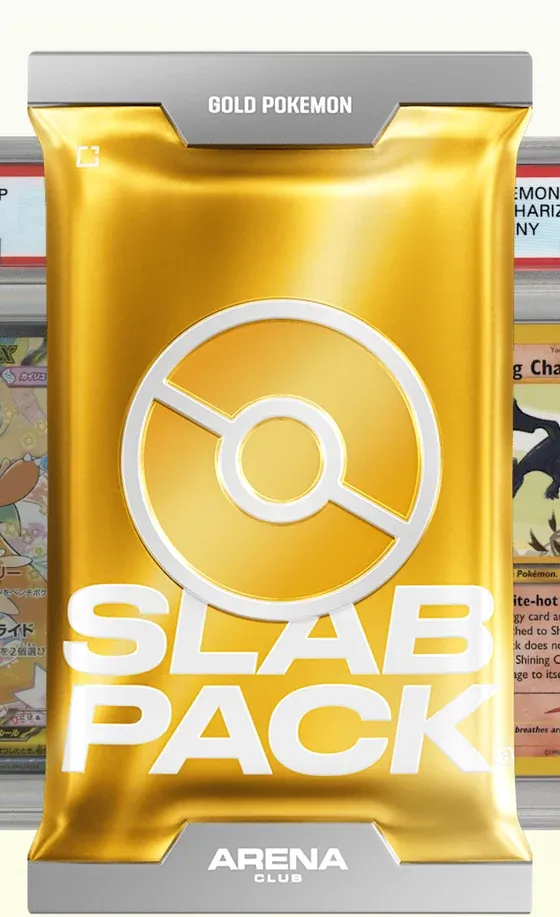
| Silver | $50 | $5 | $40 | $15 |
| Gold | $100 | $10 | $80 | $30 |
| Ruby | $250 | $25 | $200 | $75 |
| Emerald | $500 | $50 | $400 | $150 |
| Diamond | $1,000 | $100 | $800 | $300 |
| Legendary | $2,500 | $250 | $2,000 | $750 |
Those six rungs were first read off basketball packs, and we used to say only that the ladder appeared to be shared across categories. It is now confirmed. We have since captured the pack screen for every Pokémon, basketball and baseball tier, and the ladder is identical in all three:
$25 · $50 · $100 · $250 · $500 · $1,000 · $2,500 — Bronze through Legendary, same prices, three categories.
Baseball and basketball then add an eighth rung that Pokémon does not have: Crown Jewel at $5,000, above Legendary. It is the dearest pack Arena Club sells and we had not seen it in any earlier capture. Football remains the one category whose prices we have never seen — its seven packs are still unpriced here rather than assumed from a pattern that now holds everywhere else.
The pack screens also state a Grail hit rate per item for each tier, and it climbs with the price exactly as you would expect: 0.01% on Bronze and Silver, 0.02% on Gold, 0.03% on Ruby, Emerald and Diamond, 0.04–0.05% on Legendary, and 0.07% on Baseball Crown Jewel — the best Grail rate on the shelf, at the highest price.
Arena Club’s own How it works tooltip states the mechanism, and it is worth quoting because it settles two things we had to infer:
When you open a Slab Packs®, Arena Club will provide an instant offer to purchase back your card based on its estimated value. If you opted into Collect Safe, you’ll pay a 10% premium that guarantees an offer of at least 80% of the pack price, regardless of the estimated value of the card.
So there is an unconditional instant buy-back on every pull, and its basis is stated — the card’s estimated value. What is still missing is the only number that matters: the percentage. And Collect Safe turns out to be a floor rather than a fixed payout. Our earlier wording said it guarantees an offer of 80%; “at least” is better for you, and we have corrected it.
A 10% premium buys an at-least-80%-of-price floor, capping your loss at 30% of the price rather than 100%. Against your total outlay that is a guaranteed 72.7% back — lower than Triumph’s ~77% statistical floor and Courtyard’s ~83%, but it is the only one of the three that is contractual rather than statistical. You are buying certainty and paying for it.
It also leaks something Arena Club will not state directly. For the insurance to be profitable, its expected shortfall below 80% of price must be smaller than the 10% it charges. That is the tightest available bound on Arena Club’s payout distribution — and it comes from the price of the insurance, not from any disclosure.
The sweepstakes layer, and the trap in it
Separately from the packs, Arena Club runs the Quarterly ArenaClub.com Collectible Products Sweepstakes for its “Grail Collectibles”. The Official Rules publish a chance and an approximate retail value per category. Multiply them and the tiers rank very differently from how they read:
| Category | Odds | Prize ARV | Expected value per entry |
|---|---|---|---|
| Legendary | 1 in 2,222 | $30,000 | $13.50 |
| Time Box | 1 in 3,003 | $25,000 | $8.33 |
| Diamond | 1 in 3,003 | $20,000 | $6.66 |
| Emerald | 1 in 3,448 | $15,000 | $4.35 |
| Ruby | 1 in 3,745 | $7,500 | $2.00 |
| Gold | 1 in 5,998 | $4,500 | $0.75 |
| Silver | 1 in 6,667 | $2,000 | $0.30 |
| Super Grail | 1 in 1,000,000 | $120,000 | $0.12 |
| Miscellaneous | 1 in 10,000 | $1,000 | $0.10 |
Super Grail is the worst bet on the board. It reads as the summit — the $120,000 prize — and prices like a lottery ticket: 450× worse odds for 4× the prize, which is 113× less expected value than Legendary. If the Grail chase is why you are here, Legendary is the rung that actually pays for it.
And you do not have to buy anything. The rules state no purchase necessary, and a hand-printed postcard to a Marblehead PO box earns an entry at identical odds. The pack buys the card, not the Grail chance.
One caveat we will not paper over: Arena Club’s two odds disclosures do not agree. The rules describe a single draw per entry at the category rate; the checklist puts roughly that same rate against each of three Grail cards, implying about three times the chance. The likeliest explanation is that they are different prize pools — the rules define Grail Collectibles as including watches, which no Pokémon checklist can hold — but until that is confirmed we are not publishing either figure as the chance of pulling a Grail card.
It grades what it sells
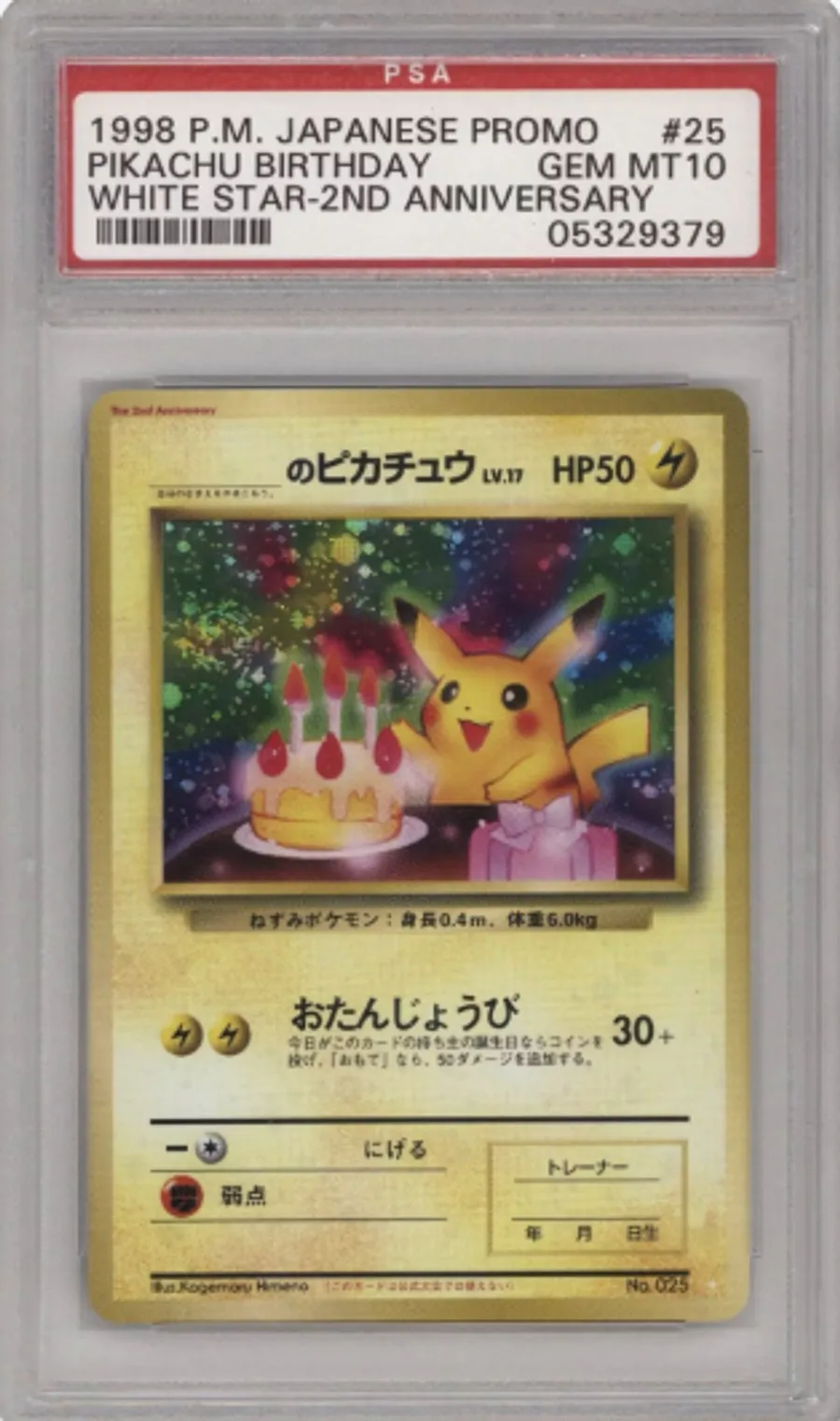
Arena Club’s grading page accepts “AC, PSA, BGS, SGC, & CGC” slabs. AC is Arena Club. Its own grades appear inside the packs it sells: the Pokémon checklists list Arena Club 10, Arena Club 9 and Arena Club 8.5 cards alongside PSA, BGS and CGC ones, and the site publishes a population report, which is a grading-house artifact.
The grade is the single largest driver of a card’s value. An app that assigns the grade, recommends the price — the seller flow says you price your cards “using our comp recommendations” — and sells packs containing the result is vertically integrated across the valuation it profits from. That is a structural observation, not an allegation of anything improper. Triumph is PSA-only; Courtyard’s checklists show third parties. Neither grades its own inventory.
Getting money in and out
The deposit flow is Stripe-hosted and unusually broad: card (Visa, Mastercard, Amex, JCB), Apple Pay, Cash App Pay, Crypto, plus Link and Amazon Pay as express options. Deposits fund an Arena Club Wallet in $50 increments, and the checkout will price in USD or EUR with the usual warning that your bank’s exchange rate and fees may apply.
That matters more than a payments footnote usually would, because it largely defuses the question we could not answer. We still have not captured the moment an Arena Club Offer lands, so we cannot tell you in writing whether a buy-back pays cash or wallet credit. But the wallet withdraws to a bank account or debit card via Stripe Connect, at a $1 minimum, with no Arena Club fee, in one to three days.
So even on the pessimistic reading — that an offer settles as credit — that credit converts to money freely. That is a different animal from platform credit which can only buy more packs, where the pack’s own house edge takes the “payout” straight back. If you take Collect Safe’s at-least-80% floor, 80% is what you can actually withdraw.
Fees, and one claim that does not hold
Grading is $15 per card to vault or to return. Vaulting a slab you already own is free, down from $5. Retrieving your own vaulted card costs $1 per card plus shipping, and a slab vaulted on the free tier must be priced for sale while it sits in your showroom. All of that is disclosed — but the homepage’s “absolutely no hidden costs” is a strong phrase when getting your own card back is a paid action, and “retrieve the physical slabs whenever you’d like, your collection, your rules” sits oddly beside a mandatory listing.
The claim that does not survive contact with the market is “the market’s lowest seller commissions”. Arena Club charges 10% on peer marketplace sales. Courtyard advertises 0% seller fees on every pack screen we captured. Arena Club cannot be lower than zero.
Who Arena Club is best for
- Collectors who want a specific card, not a price range — the per-card checklist is genuinely the best tool in the category for that.
- Anyone who wants a floor, and will pay 10% for it. Collect Safe has no equivalent elsewhere.
- Sellers who want a venue, not just a buyback — the showroom and marketplace let you sell to other collectors, at 10%.
The marketplace, and a label worth noticing
Arena Club runs a real marketplace alongside the packs — Auctions, Premier Auctions (in beta) and Fixed Price, with every listing carrying “or Best Offer”, a view count and an Add to Cart. That is a genuine second exit, and more venue than Triumph offers.
One detail deserves attention. Arena Club labels the pricing on its own listings: we captured “Great Price 🔥🔥🔥” and “Fair Price 🔥” badges sitting beside the asking price. It is the same kind of valuation signal as Courtyard’s Confidence flag, with the same problem — no stated threshold — and one extra wrinkle. A “Great Price” badge appeared on a 2023 Pokémon SV Magikarp graded by Arena Club itself, listed at $2,500. Arena Club assigned the grade, hosts the listing, sets the commission and vouches for the price. Each of those is defensible alone; together they are worth knowing about.
It is the wrong app if you want to know what a pack returns before you buy one. For that, Triumph and Courtyard both publish enough to compute it — see Triumph by the numbers for what that looks like — and our comparison hub puts them side by side.
On the score: the 8.1 predates this research and we have left it alone rather than adjust it on the fly. The picture has moved in both directions — better disclosure than we credited, a grading conflict and a false comparative claim we had not seen — and it deserves a proper re-scoring against how we rate rather than a nudge.
Pros
- Publishes a probability against every individual card — finer than any rival
- Collect Safe: a 10% premium guarantees an offer of at least 80% of the pack price — the only contractual floor in the category
- The Grail draw needs no purchase — a postcard enters at identical odds
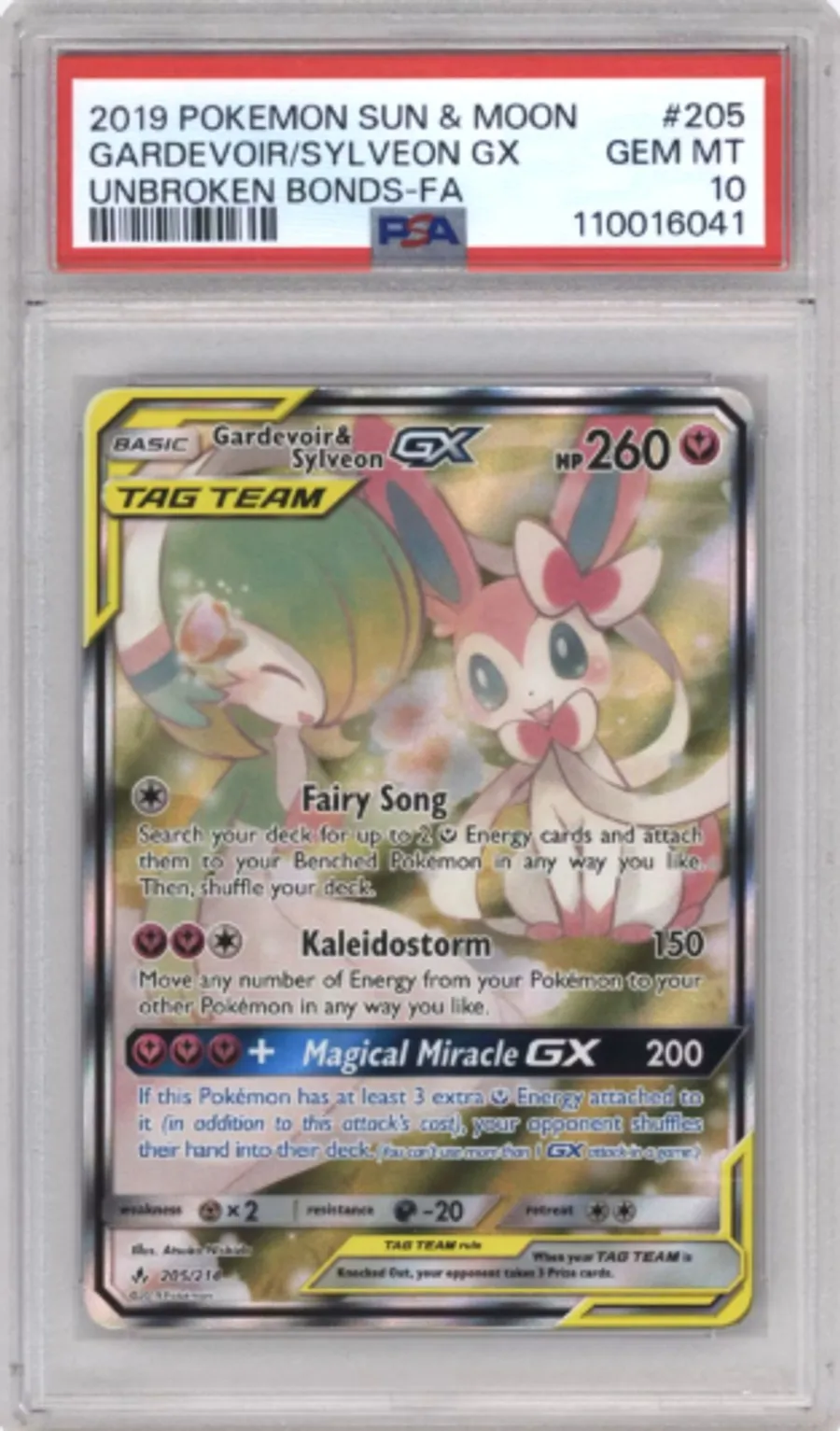
- Real slabs from PSA, BGS and CGC, each with a certificate number
- Marketplace and showroom, so you can sell to other collectors rather than only back to the app
Cons
- Publishes no card values at all, so its break-even cannot be calculated from its own odds
- Grades some of the cards it sells under its own Arena Club label
- Its checklist and its sweepstakes rules give different Grail odds
- Claims the market's lowest seller commissions while charging 10% against Courtyard's 0%
- Retrieving your own vaulted card costs $1 plus shipping
- The buy-back rate is still unpublished — the one number that would make its packs priceable